Following a spring filled with test date cancellations, ACT® has answered the resulting demand. Three new Saturday test dates have been added to the slate - one in September and two in October.
Read More
Following a spring filled with test date cancellations, ACT® has answered the resulting demand. Three new Saturday test dates have been added to the slate - one in September and two in October.
Read MoreGiven the likelihood of ongoing testing disruptions and/or limited testing availability due to COVID-19, it may make more sense to develop a two-test strategy.
Read MoreSure, students will still have GPAs that include spring 2020, but what will they mean?
Read MoreFor students applying to college this year (and for the near future), coronavirus will certainly have its effect on the application process.
Read MoreWith the right strategy and a modest investment in the right equipment, you can be up and running to deliver quality content from the comfort (and safety) of your own home.
Read MoreCollege Board announced that they would offer a computerized version of the fall SAT® that could be taken from the comfort and safety of students’ homes. Last week, this announcement was walked back. So, what now?
Read More“Test-Optional” admissions policies aren’t going away any time soon. So, what does that mean for students? For schools? For test-prep tutors?
Read MoreThe University of California’s Academic Council’s latest study has major implications for the testing industry. In fact, the findings prove that much of the current doom and gloom around the future of testing is largely unfounded.
Read MoreIt’s not often that my Google News alert for “college admissions” returns articles from TMZ.com. Let’s just say that on one fateful Tuesday, my day got off to a very weird start.
Read MoreThe University of California Board of Regents have recently approved a plan which many are touting as the death knell of college admissions tests.
It’s not.
Read MoreNot only do students need distraction-free studying experiences, they also need distraction free studying environments.
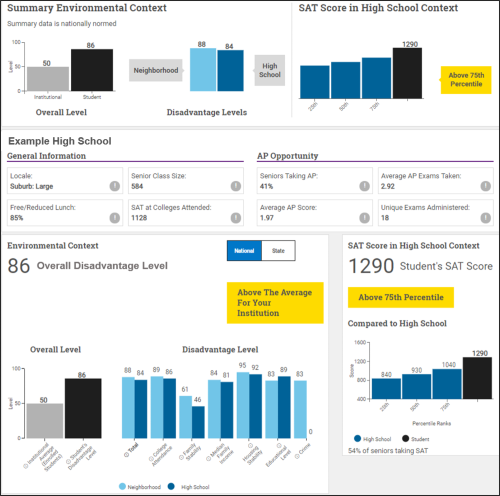
Read MoreIf you deliver a high-quality, personalized test-prep experience, the news about the “secret” SAT® Adversity Index should be a win for your business.
Read MoreThe most important part of your summer test prep may seem obvious, but it’s essential: Make sure your students sign up for the summer SAT® or ACT®!
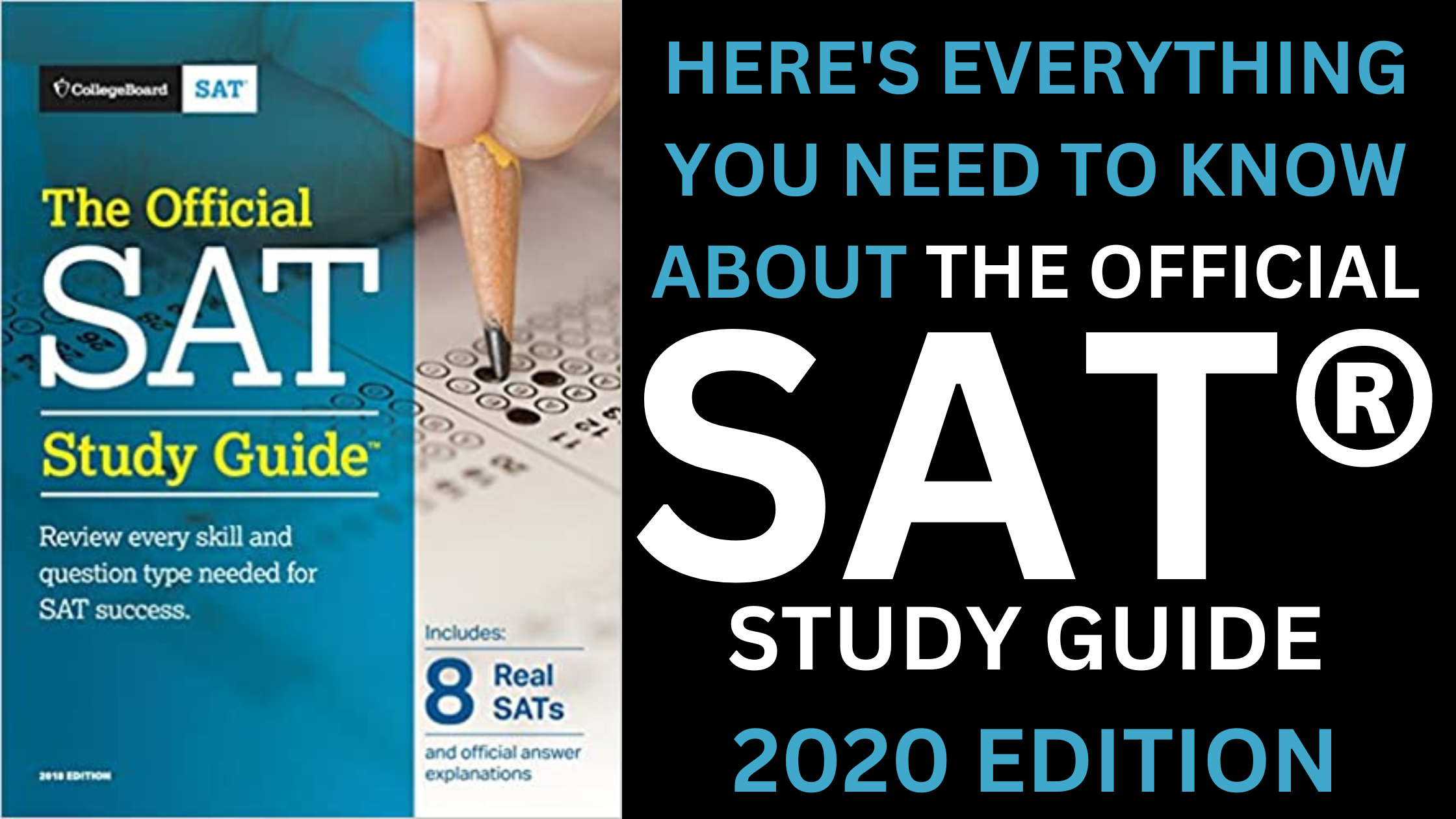
Read MoreThis article contains some very important information about the Official SAT® Study Guide 2020 Edition. It also contains a bunch of goofy nonsense that I think you’ll enjoy. If you’re only here for the important information, then you should skip directly to the TL;DR section at the bottom; that’s where you’ll find a list that may save you a lot of work and heartache. You’re welcome!
Read MoreThere’s a certain excitement that starts to churn as we get closer to some well-deserved time off. That said, successful test prep can’t take time off. Growth requires sustained effort and attention—especially when it comes to prepping for the SAT® and ACT®.
Read MoreWhether you’re full of holiday cheer or feeling a bit Grinchy, November and December will undoubtedly be busy. Even so, students and tutors need to keep their eyes on the ball when it comes to keeping pace with test-prep goals during the holiday season.
Read MoreHow many times should a student take the SAT®?
Read MorePart 2: These final 2 tips focus more on the actual writing process itself. This is an area where too little help could result in a weak, error-ridden submission. Conversely, too much help could raise concerns that the applicant’s essay is actually the work of someone else.
Read More