What New ACT® and SAT® Tutors Should Focus on in Their First Year

Starting an ACT® & SAT® tutoring business is a huge decision. And if we’re being honest, it’s also overwhelming. There’s no shortage of advice about how to set your prices, market your services, and plan for growth—but much less guidance on what actually deserves your attention first.
In the early stages of starting a business, it’s easy to feel like you’re behind before you’ve even begun. It’s easy to compare yourself to more established tutoring businesses or big test-prep companies. The natural reaction is to try to do more: offer more services, cover more subjects and tests, and say “yes” more often than you realistically can—or should.
Over the years, I’ve worked with tutors at every stage: brand-new instructors taking on their first clients, small practices trying to grow, and established businesses untangling decisions they made too early. In my experience, the tutors who struggle most early on are usually the ones trying to do too much at once.
This post isn’t a checklist for “how to start a tutoring business,” and it’s not meant to be preachy. Instead, it’s a look at what matters most in the first year of tutoring, based on experience, hindsight, and a lot of trial and error.
Start Small Before You Try to Grow
One of the most common pressures new ACT®/SAT® tutors feel is the urge to offer everything:
ACT® and SAT®
All grade levels
Private tutoring
Group classes
Test Prep Bootcamps
Homework help
I get why that feels like the safer move. When you’re just starting, saying “yes” feels safer than turning opportunities away. But in practice, trying to scale too early usually creates more problems than successes.
In the first year, it’s better to focus on a few things and learn to do them well. You don’t need to offer everything right away. Clients aren’t looking for the most options; they’re looking for a tutoring service that can practice what it preaches, with confidence.
Potential clients want to know what you specialize in, how your program works, and whether you have a clear, realistic plan for their child. When those answers aren’t clear, everything else becomes harder: explaining your value, setting prices, holding boundaries, and earning credibility as a new, reputable business.
This doesn’t mean you need to pick one test or subject area and lock yourself into a permanent niche. It simply means narrowing your focus enough that your work feels manageable.
Tutors who tend to get business sooner usually have a few things in common:
They’re clear about which test(s) they’re focusing on.
They teach using a consistent approach from session to session.
They can explain their program clearly.
That kind of focus makes the actual work of tutoring easier. Explaining your services feels more natural, clients know what they’re signing up for, and you’re not constantly adjusting or second-guessing your decisions.
Trying to do everything at once doesn’t make you more flexible; it usually just makes things harder than they need to be.
What You Teach—and How You Teach It—Is the Product
New tutors often separate “teaching” from “running a business,” but clients don’t experience it that way.
The study materials you use, the way you structure sessions, and how closely your practice reflects the real ACT® or SAT® all shape how parents and students see your program.
This shows up most clearly in practice tests and diagnostics. If a test doesn’t feel like the real exam, or if the format changes from one assessment to the next, clients will notice. When your materials match the test, and your approach stays consistent, students know what they’re working toward—and parents notice the difference.
Solid materials make it easier to explain your program without overexplaining—or backtracking later.


Pricing Sends a Message Early On
Pricing is one of the hardest decisions for new tutors, mostly because it feels personal.
Many tutors charge less at the beginning because they’re new and want to land clients. But pricing isn’t just about affordability—it reflects how you see your own program. When prices are too low, families often assume the services are, too.
When your services are clearly defined, pricing stops feeling like guesswork, and rates match the value your business provides.



Local Reputation Matters More Than Big Marketing
In the first year, parents and students deciding whether to trust you matters more than almost anything else. Most early growth in test prep comes from word of mouth, local connections, and families who feel confident recommending you to others.
Parents aren’t looking for flashy branding. They want to know that you understand the test, have a clear plan, and can guide their child through the process. When families feel confident in your approach and communication, they’re far more likely to talk about you to other parents.
That’s why community events and local outreach often go further than broad marketing efforts early on. Building a local reputation for reliable tutoring will do more for your business than advertising alone ever could.


You Don’t Have to Build Everything From Scratch
This is something many new tutors underestimate: how much time curriculum development actually takes.
In your first year, you’re already juggling instruction, planning, scheduling, parent communication, and business logistics. Building ACT® and SAT® materials from the ground up on top of all that pulls your time and energy away from teaching.
Using test-aligned, ready-to-use systems isn’t cutting corners; it’s a smart and practical choice. It allows you to show up to every session prepared, present a polished program, and focus on working with your students instead of constantly creating or revising materials.
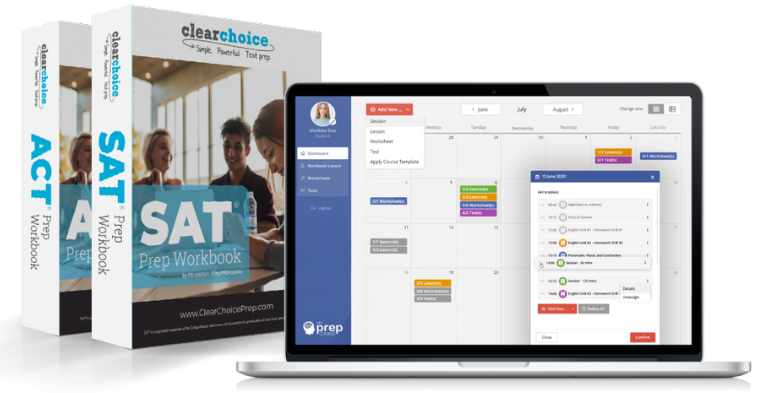
That’s where Clear Choice fits in. Our ACT® and SAT® programs are fully test-aligned and 100% white label, so you can offer a consistent, professional curriculum under your own brand from the start—without giving up control over how you teach.
Here’s the truth: No one has everything figured out in their first year, not by a long shot. We’ve all struggled to find our lanes. But quality, test-aligned materials, consistent structure, and a plan you and your clients can trust will make the rest of the work building your business much easier to manage.