6 January Test Prep Mistakes That Send Prep Off Track—and How Tutors Can Avoid Them

After winter break, test prep can quietly lose momentum. Sessions resume, assignments get completed, and students show up. But beneath the surface, progress may slow. Confidence can waver. Small execution issues begin, and by the time they’re noticeable, valuable weeks may already be gone.
In most cases, disengaged students or lack of effort don't cause this. January derailments tend to come from reasonable tutor decisions made too quickly after the break. Nothing feels “wrong” at the moment, but these decisions can cause prep to drift just enough to matter.
In this post, I’m outlining six common post–winter break missteps that can quietly send test prep off track, and how you can avoid them.
#1: Treating January Like a Continuation Instead of a Transition
One of the most common January missteps is resuming the fall plan without adjustment. Picking up mid-unit or mid-strategy assumes students retained pacing, fluency, and confidence through the winter break. You have to assume many did not.
Even when content knowledge is still there, execution often isn’t. When January is treated as business as usual, early sessions can feel harder than expected, creating unnecessary friction and confusion about progress.
The fix: Treat January as a transition point. Build in a short recalibration window before advancing the plan, even if the calendar suggests it’s time to move on.
#2: Solving Rustiness by Introducing New
When January sessions feel weak, it’s tempting to respond by introducing new strategies, new tools, or additional practice. The intention is understandable, but the timing is way off.
Adding complexity before students regain a steady rhythm increases cognitive load at the exact moment they need clarity. Early January is better for reinforcement than expansion.
The fix: Reinforce before introducing anything new. Give your students time to regain fluency and consistency before introducing new strategies or increasing complexity.
#3: Overreacting to Early January Performance
Short-term performance dips after winter break are common. Treating those results as meaningful indicators of readiness can lead tutors to make premature changes.
January data is transitional. Reacting too quickly to lower scores or weakened skills can result in misdiagnosing the problem and steering prep in the wrong direction.
The fix: Look for trends, not single-session or single-practice test signals. January data is most useful when viewed over multiple sessions, not treated as a conclusion.
#4: Avoiding Hard Conversations About Readiness
January is often when uncomfortable realities can surface. Pacing may be more sluggish than expected. Foundational gaps may be more persistent than they were before the break. It may become clear that a planned test date is no longer realistic.
Avoiding these conversations doesn’t preserve momentum; it delays better decisions. When recalibration is postponed, students lose time they can’t afford to waste later in the spring.
The fix: Use January as a decision point. Address pacing, expectations, and timelines early, while there’s still time to adjust course productively.
#5: Assuming Motivation Will Catch Up on Its Own
It’s easy to assume that once students get back into their routine, engagement will return naturally. In January, that's not always the case.
What students need most after winter break isn’t encouragement—it’s direction. Communicating clear priorities, defined goals, and a steady plan does more to restore commitment and focus than any motivational talk ever will.
The fix: Translate expectations into a concrete plan students can follow. Engagement tends to return once the path forward is clear.
#6: January Doesn’t Derail Prep—Rash Choices Do
Winter break doesn’t disrupt test prep on its own. Prep goes off track when tutors and clients move too quickly, read too much into early signals, or hesitate to recalibrate when there are blatant signs of academic regression.
The Fix: Tutors who slow the moment down—who treat January as a transition rather than a continuation—protect both momentum and morale. Avoiding these common missteps doesn’t require more effort or more content. It requires intention.
Handled well, January becomes a stabilizing force instead of a setback. And that difference becomes clear by spring.
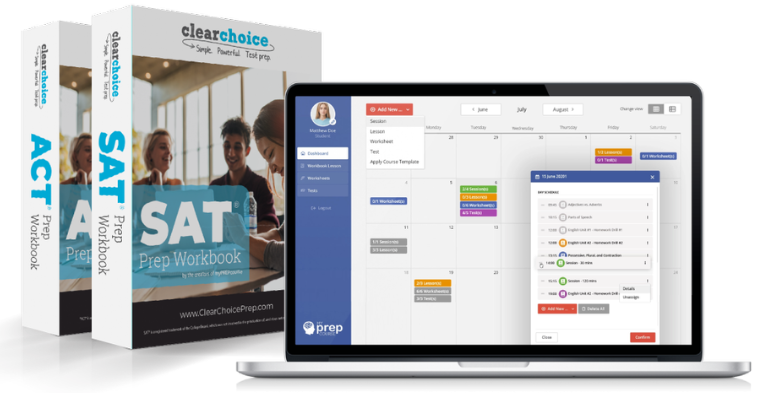
January is one of the key decision points in the test-prep cycle. At Clear Choice, we build curriculum and planning tools designed to help tutors recalibrate quickly, avoid common missteps, and keep students moving forward with confidence.
If you want test-prep systems that work through transitions—not just smooth stretches—you can learn more here.